/59748.tmb-300v.png?sfvrsn=9885965b_2 "For the future - publication thumbnail")
When it comes to the lifesaving power of immunization across the life-course, and childhood vaccination in particular, the Western Pacific Region has long shown what is possible when countries work together with the support of the World Health Organization and other partners.
For 25 years, the Region has maintained its polio-free status. Twenty-nine countries and areas have achieved measles and rubella elimination, including all Pacific island countries and areas in 2025. Across the region, 35 countries have introduced HPV vaccine programmes, preventing cervical cancer and advancing efforts to protect women’s health. These and other milestones demonstrate the impact of sustained commitment, strong immunization programmes and regional cooperation.
But there are also clear challenges to be tackled both now and going forward.
Key childhood immunization programmes have not fully recovered in all settings following setbacks encountered amid the COVID-19 pandemic.
Around 1.7 million children in the Region still miss their first routine vaccine dose each year, and resurgent measles outbreaks are affecting communities in several Member States.
Consequently, the Region is currently off track to meet a number of its Immunization Agenda 2030 targets, including reducing zero-dose children and achieving measles elimination by 2030.
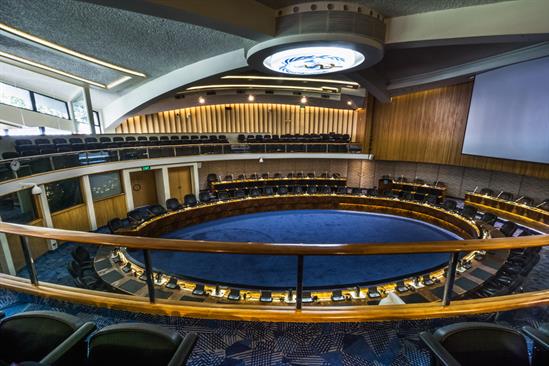
In this context, representatives from Member States, National Immunization Technical Advisory Groups (NITAGs), various partners and WHO came together at the 35th Meeting of the Technical Advisory Group on Immunization and Vaccine-Preventable Diseases in the Western Pacific Region to help shape the future of immunization in the Region.
/xyz-(manual-review)/tag-immunization-and-vaccine-preventable-diseases-4.jpg?sfvrsn=2b6849a2_3 "TAG Immunization and Vaccine-Preventable Diseases") Dr Huong Tran, Director of Health Promotion, Disease Prevention and Control, delivers opening remarks at the 35th Meeting of the Technical Advisory Group on Immunization and Vaccine-Preventable Diseases in the Western Pacific Region, at the WHO Campus in Manila, Philippines. © WHO / Michael Ong
Dr Huong Tran, Director of Health Promotion, Disease Prevention and Control, delivers opening remarks at the 35th Meeting of the Technical Advisory Group on Immunization and Vaccine-Preventable Diseases in the Western Pacific Region, at the WHO Campus in Manila, Philippines. © WHO / Michael Ong
A strong message emerged from the discussions held at the WHO Regional Office campus in Manila and online: progress must accelerate, and countries and communities must be at the centre of the response.
Participants identified three priorities that will guide regional efforts through 2030:
- Reducing zero-dose and under-immunized populations by 50%;
- Achieving and sustaining measles and rubella elimination; and
- Expanding immunization across the life course.
These priorities are closely linked. Reaching children who miss routine vaccination services helps prevent outbreaks. Strong routine immunization supports measles elimination. Expanding vaccination beyond childhood helps protect adolescents, pregnant women, adults and older people, while strengthening preparedness for future health emergencies.
A recurring theme throughout the meeting was that reaching people requires more than vaccines alone.
Participants emphasized the importance of better understanding communities, listening to concerns, responding to misinformation and disinformation, and building trust. Social and behavioural science was highlighted as an increasingly important tool for understanding barriers to vaccination, improving vaccine confidence and ensuring programmes respond to the needs of the people they serve.
/xyz-(manual-review)/tag-immunization-and-vaccine-preventable-diseases-3.jpg?sfvrsn=b7af37a8_3 "TAG Immunization and Vaccine-Preventable Diseases") Dr Ilisapeci Vereti-Tulibeqa, Temporary Advisor, delivering remarks at the 35th Meeting of the Technical Advisory Group on Immunization and Vaccine-Preventable Diseases in the Western Pacific Region. © WHO / Michael Ong
Dr Ilisapeci Vereti-Tulibeqa, Temporary Advisor, delivering remarks at the 35th Meeting of the Technical Advisory Group on Immunization and Vaccine-Preventable Diseases in the Western Pacific Region. © WHO / Michael Ong
Countries also called for more practical solutions, stronger collaboration and greater opportunities to learn from one another. Many of the challenges facing immunization programmes, from reaching remote communities to responding to misinformation and strengthening surveillance systems, are shared across the Region.
This spirit of collaboration was reflected in discussions on the future of regional technical cooperation. Participants supported the transformation of the Regional Technical Advisory Group into a more connected and country-driven platform that can strengthen collaboration among countries, support peer learning and help translate evidence into action.
National Immunization Technical Advisory Groups were also recognized as playing an increasingly important role in guiding immunization policy and supporting evidence-informed decision-making at country level. Strengthening these groups will be essential to addressing increasingly complex immunization challenges and availing of opportunities.
/xyz-(manual-review)/tag-immunization-and-vaccine-preventable-diseases-2.jpg?sfvrsn=7b5f5e7d_3 "TAG Immunization and Vaccine-Preventable Diseases") Dr Sunia Soakai, Executive Officer, delivers remarks at the 35th Meeting of the Technical Advisory Group on Immunization and Vaccine-Preventable Diseases in the Western Pacific Region. © WHO / Michael Ong
Dr Sunia Soakai, Executive Officer, delivers remarks at the 35th Meeting of the Technical Advisory Group on Immunization and Vaccine-Preventable Diseases in the Western Pacific Region. © WHO / Michael Ong
Participants further highlighted the importance of strengthening the foundations that support immunization programmes. These include stronger data and digital systems, reliable vaccine supply chains, sustainable financing, effective partnerships and a skilled workforce. Discussions also explored how digital innovation, including the responsible use of artificial intelligence, could help improve planning, identify missed populations and support programme decision-making.
Recommendations stemming from the meeting will help inform discussions at the seventy-seventh session of the WHO Regional Committee for the Western Pacific in October of this year.
While challenges remain, the overarching message from the meeting was one of determination and shared responsibility. In an interconnected region, and world, progress in one country strengthens protection for all.