Embedding ethics in the path to universal health coverage
WHO’s commitment to achieving universal health coverage and the goal of 1 billion more people benefitting from universal health coverage by 2023 exemplifies the ethical values at the core of public health. UHC is a powerful expression of fairness, solidarity and recognition of health as a human right.
Whether in providing justification for UHC, identifying the interests at stake in health system reform, or providing guidance in building more robust health systems, ethics and governance both play a central role.
Particular priorities of the Health Ethics and Governance Unit include ethical considerations related to priority-setting, ageing, health systems and implementation research, building ethics capacity, good governance of medicines, public health surveillance, and immunization.
Publications
All →TDR and WHO's Global Health Ethics team have jointly developed a training course for researchers and research ethics committees on the important ethical...
According to the WHO World report on ageing and health , the number of people over the age of 60 is expected to double by 2050. This will result...

Global health ethics: key issues
This document aims to assist policy‑makers, health care providers and researchers to understand key concepts in health ethics and to identify basic ethical...
Technical information

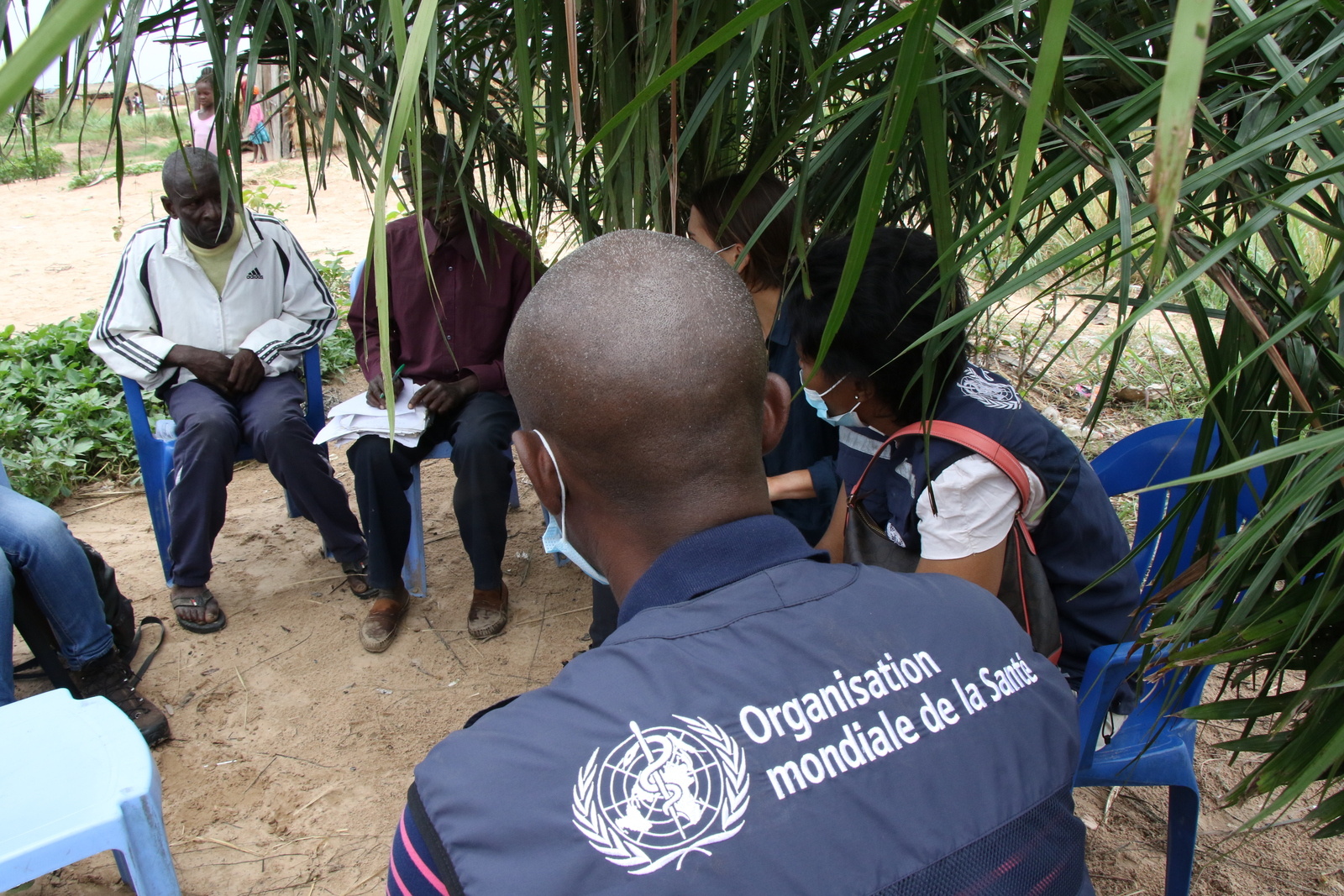

Good governance in medicines
Good governance in the pharmaceutical sector includes measures to ensure a transparent process of drug procurement, drug control, rational drug use and access to medicines in an equitable manner to all sections of the community.