

Global report on neglected tropical diseases 2026
Isaias Montilla
An older woman sitting in a hammock listens as community members show her how to reduce Chagas transmission, Mérida, Mexico.
An older woman sitting in a hammock listens as community members show her how to reduce Chagas transmission, Mérida, Mexico.
©
Credits
Global report on neglected tropical diseases 2026
Mid-term evaluation of the road map implementation
The year 2025 marked the midpoint of Ending the neglect to attain the Sustainable Development Goals: a road map for neglected tropical diseases 2021–2030. This fourth edition of the global report therefore presents the results of the mid-term evaluation of the road map. It reviews implementation and impact during 2021–2025 and sets out strategic priorities for 2026–2030, across all 21 NTDs and disease groups now in the road map, including noma, added in December 2023. A summary presentation of the mid-term evaluation is also available.
Like previous editions, the report also takes stock of the latest year. It analyses data submitted to WHO for the 2024 reporting period, and partial 2025 data where available. For cumulative indicators, such as countries achieving elimination, it reports status as of June 2026.
The report assesses progress on the road map’s 4 overarching and 10 cross-cutting indicators. Each is measured by its direction of change since the reference year and its distance from the 2030 target, giving a picture of where the NTD response stands at mid-point as a whole.
The report also includes updated summaries for each disease and disease group, 26 in all, with separate summaries for distinct forms or conditions within a group. Each covers epidemiology, core strategic interventions, road map indicators, geographical distribution, risks that require mitigation, as well as a gap assessment comparing current status with the 2020 baseline.

4 November 2026
Global report on neglected tropical diseases 2026: mid-term evaluation of the road...
This report presents the mid-term evaluation of the road map for neglected tropical diseases 2021–2030. It assesses implementation and impact during 2021–2025...

4 November 2026
Global report on neglected tropical diseases 2026: mid-term evaluation of the road...
This summary presents the key findings of the mid-term evaluation of the road map for neglected tropical diseases 2021–2030. It outlines the main risks...

WHO
School children happiness in rural areas in one of the three districts of the Kédougou region endemic for Onchocerciasis after more than 10 years of ivermectin-based MDA.
School children happiness in rural areas in one of the three districts of the Kédougou region endemic for Onchocerciasis after more than 10 years of ivermectin-based MDA.
©
Credits
Key facts about the report
Key facts about progress, 2021–2025

Dennis Brussaard / WSPA
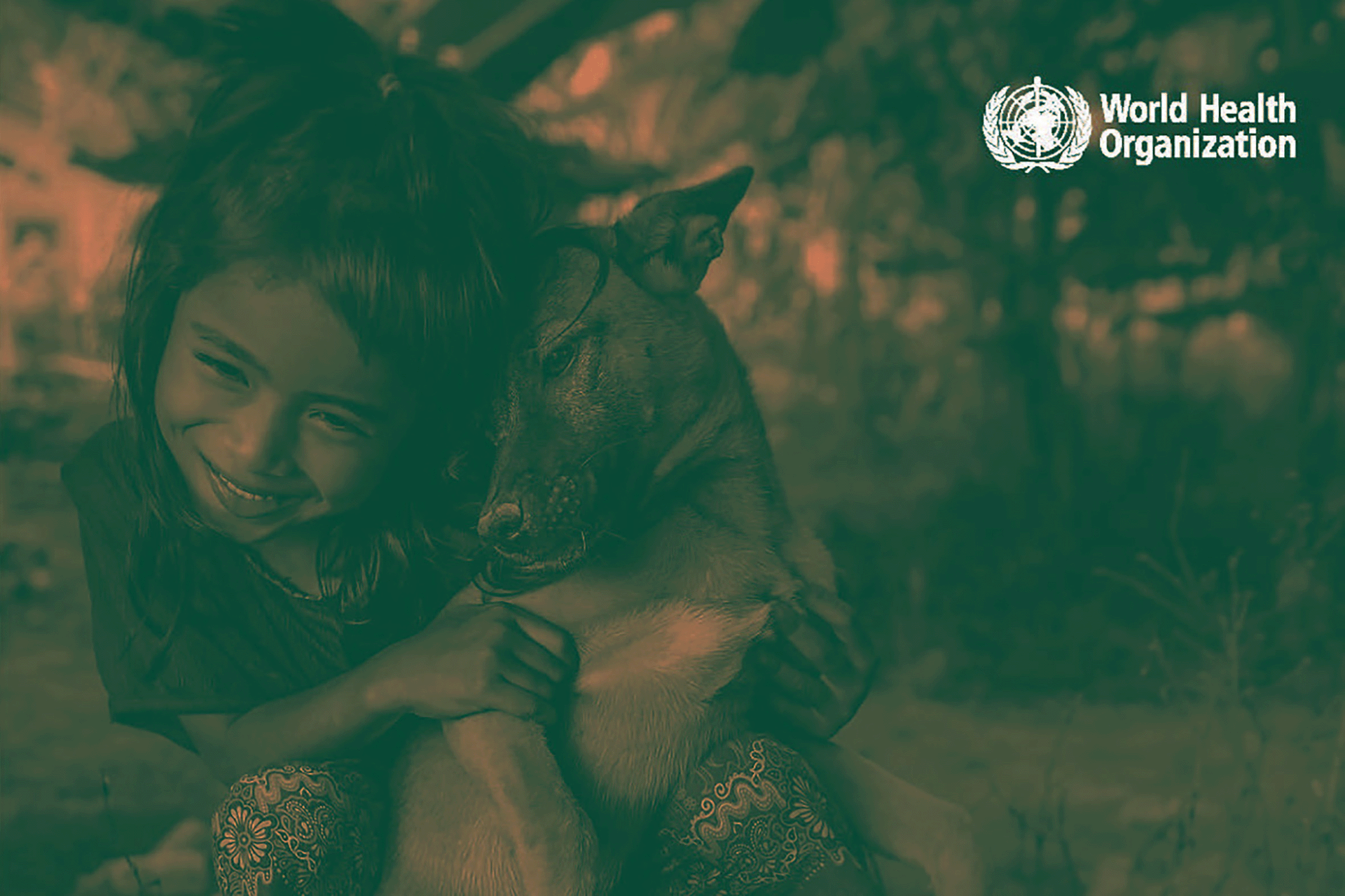
Dog-mediated rabies kills tens of thousands of people every year, many of whom are children.
Dog-mediated rabies kills tens of thousands of people every year, many of whom are children.
©
Credits